


I lost my glasses on a Mediterranean beach outside of Rome, which, come to think of it, isn’t exactly the worst place one can lose one’s glasses.
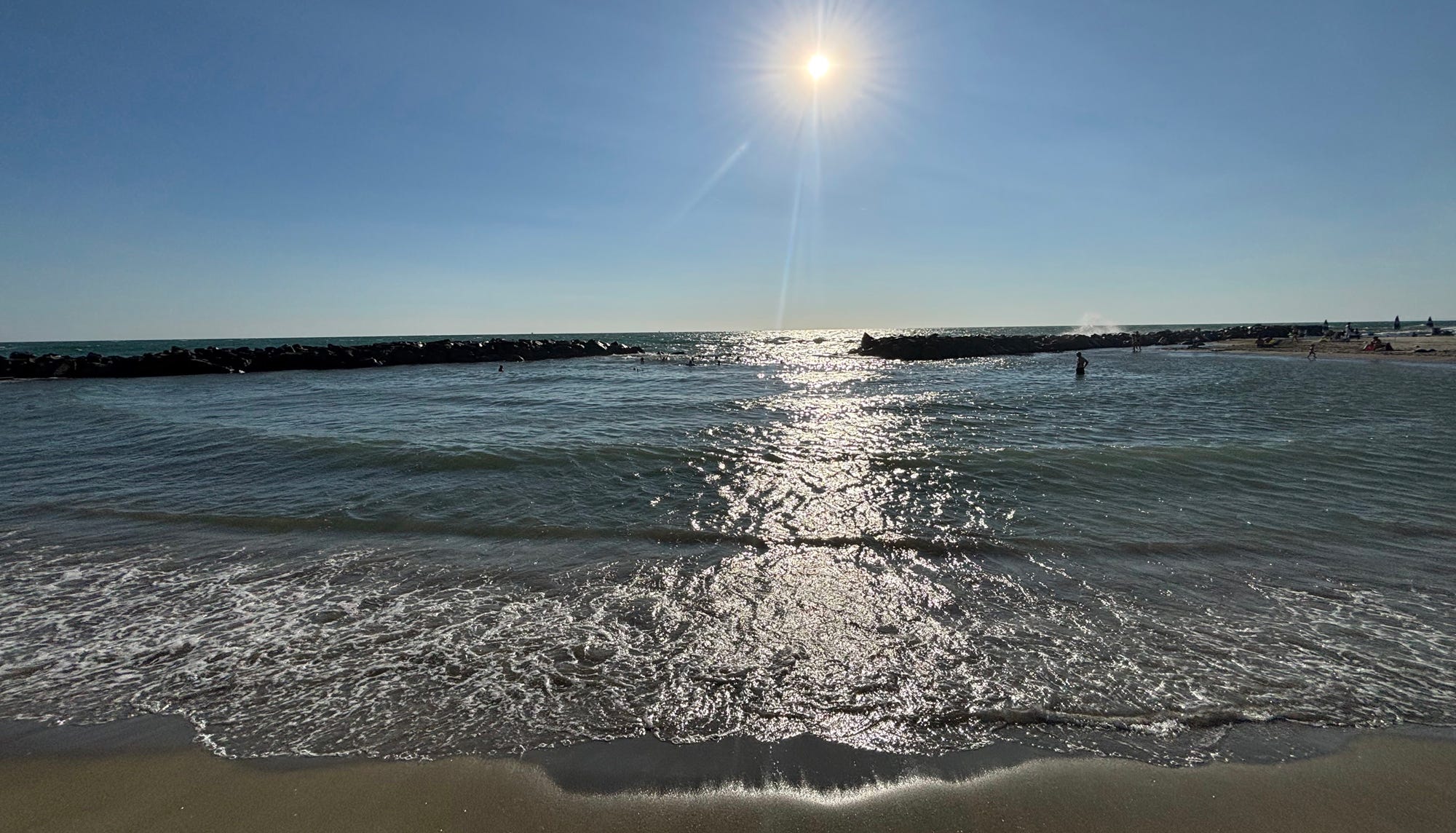
It was the last evening of our nearly two-week family vacation through Europe: Rome, Tuscany, Switzerland, and the Netherlands — and then back to Rome for the flight home. For our final night in Fiumicino, just a few miles from the airport, we’d snagged a hotel room across the street from a beach where we could swim as the sun set into the sea, and where I would leave my glasses in the sand.
All throughout Europe — the soaring cathedrals of Rome and Florence, the narrow medieval streets of Bolgheri and Lucca, the peaks of the Swiss Alps and the sweeping crags and vistas of Lauterbrunnen, the canals and quaint Dutch architecture of Amsterdam and Utrecht — with all of these, I took my glasses for granted. It wasn’t until I lost them that final night that I realized how much I actually need them.
Of course, the vacation held smaller but more meaningful sights, too: My wife’s joyful smile as she splashed in the sun-stippled surf and leapt off the cliffs in a lagoon near Castiglioncello; our son’s typically subdued satisfaction at his 18th birthday party with a backyard barbecue in Hilversum, complete with a rousing round of “Lang zal hij leven!” and with Dutch delicacies like raw herring and smoked eel and “table sours”; the awe and gratitude that washed over our other son’s face as we walked together, just the two of us, along the river beneath Staubbach Falls.
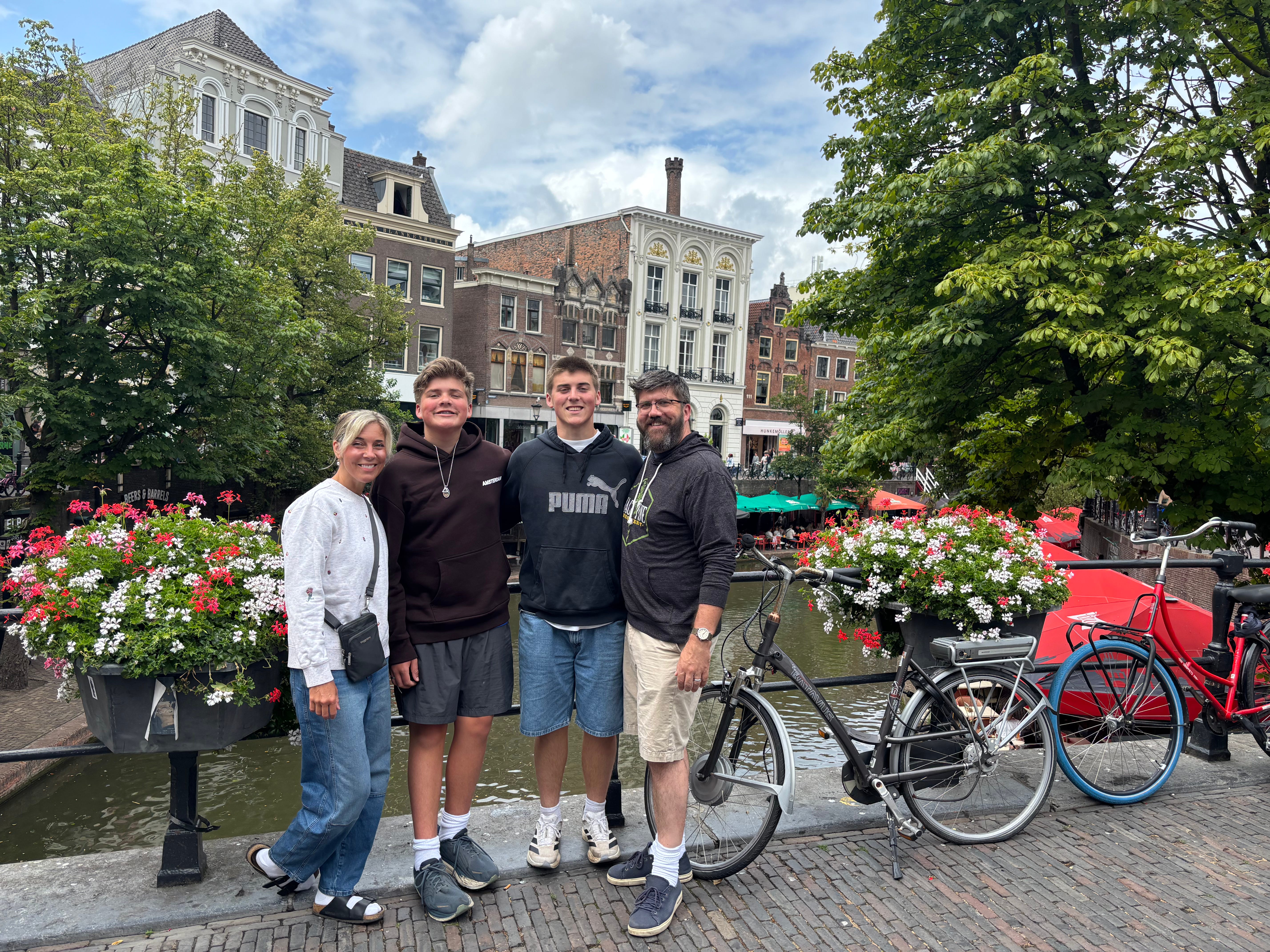
It’s the same with the more pedestrian sights at home, too: I never appreciated how much goodness and beauty exists around me until I became unable to actually see it.
All of which gets me thinking: The imagination is something like a pair of glasses that, when you put it on, allows you to see what’s actually there.
Some time ago, my friend, Greg, taught me how to “read” contemporary art by asking three questions: What do I see? What does it remind me of? What does all of that mean?
That first question, “What do I see?” carries a new weight for my newly sight-impaired eyes — and not just for contemporary art but for the whole of the world God created. Malcolm Guite beautifully ushers us into questions two and three, expanding their scope to the entire created order, with this succinct line:
“Whatever you come across in the world, don’t just ask what it is, ask what it means. And for that you need your imagination.”
For that, I reply, you also need your glasses.
But it’s a point well made, and well taken: Seeing isn’t just about the stuff — it isn’t just about the Lauterbrunnen cliffs or St. Peter’s basilica — but about the meaning that God put into the stuff, waiting to be discovered by those with the imagination to find what’s really there, lurking sacramentally just below the surface.
Like my missing pair of glasses, the imagination is easy to neglect until we discover how much we’ve depended on it all along. It’s entirely possible to look without truly seeing.
Lord, give me eyes to see! (And some new glasses, too.)


Check out my other Substack publications:


Josh Bishop Writes is sponsored by New Saint Anne’s:

If you’d like express your gratitude and contribute to my work, you can buy me a coffee on Ko-fi.
©2026 Josh Bishop, joshbishopwrites.com
I love this story! (Not just because you reference me in the same breath as Guite!)
Most of us spend our lives looking for explanations instead of meaning. Explanations require no amount of imagination. They are handed to us like a frozen dinner, except you don't even need a microwave. Obviously, we need some explanations, but we desperately need more imaginative exploration of the world.
As always, a very enjoyable read. Sorry about your glasses. I, too, would be impaired. I do love the metaphor about the imagination being a set of lenses through which we can see the beauty in the mundane. I need to have a consultation soon, because it's quite easy to lose my prescription some days. Thank you for the reminder.